
PICNet Newsletter – January 2026
New High Threat Pathogens Modules Are In Motion…
PICNet is making exciting progress on the new high threat pathogens (HTPs) online education modules.
The modules will help equip health care workers and facilities in responding safely and confidently to HTPs in British Columbia (BC).
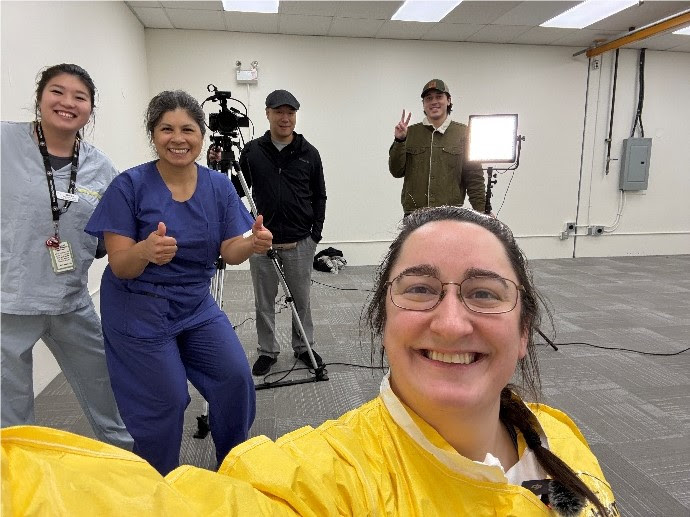
This month, PICNet member Diandra Mark, partnered with the BC Biocontainment Team and PHSA Media Services to film new instructional content that will anchor the upcoming modules.
Stay tuned for the launch of the modules, coming later in 2026!
Provincial CPO Action Plan is Implemented
A Provincial Carbapenemase-producing Organism (CPO) action plan for 2024-28 is underway, and builds on the collective efforts of PICNet, the Infection Prevention and Control programs in the health authorities, BCCDC Public Health Laboratory (PHL), and the Ministry of Health. The Provincial Carbapenemase-Producing Organism (CPO) Action Plan in British Columbia, 2024-2028-Condensed Overview, notes advancements made to address CPO in the province over the past 10 years.
However, in more recent years, the IPC community recognized a need for a collective ‘call to action’ that came from discussions at the Provincial CPO/C. auris Symposium in 2023, and led the way to the creation of the action plan.
Some key accomplishments to date include:
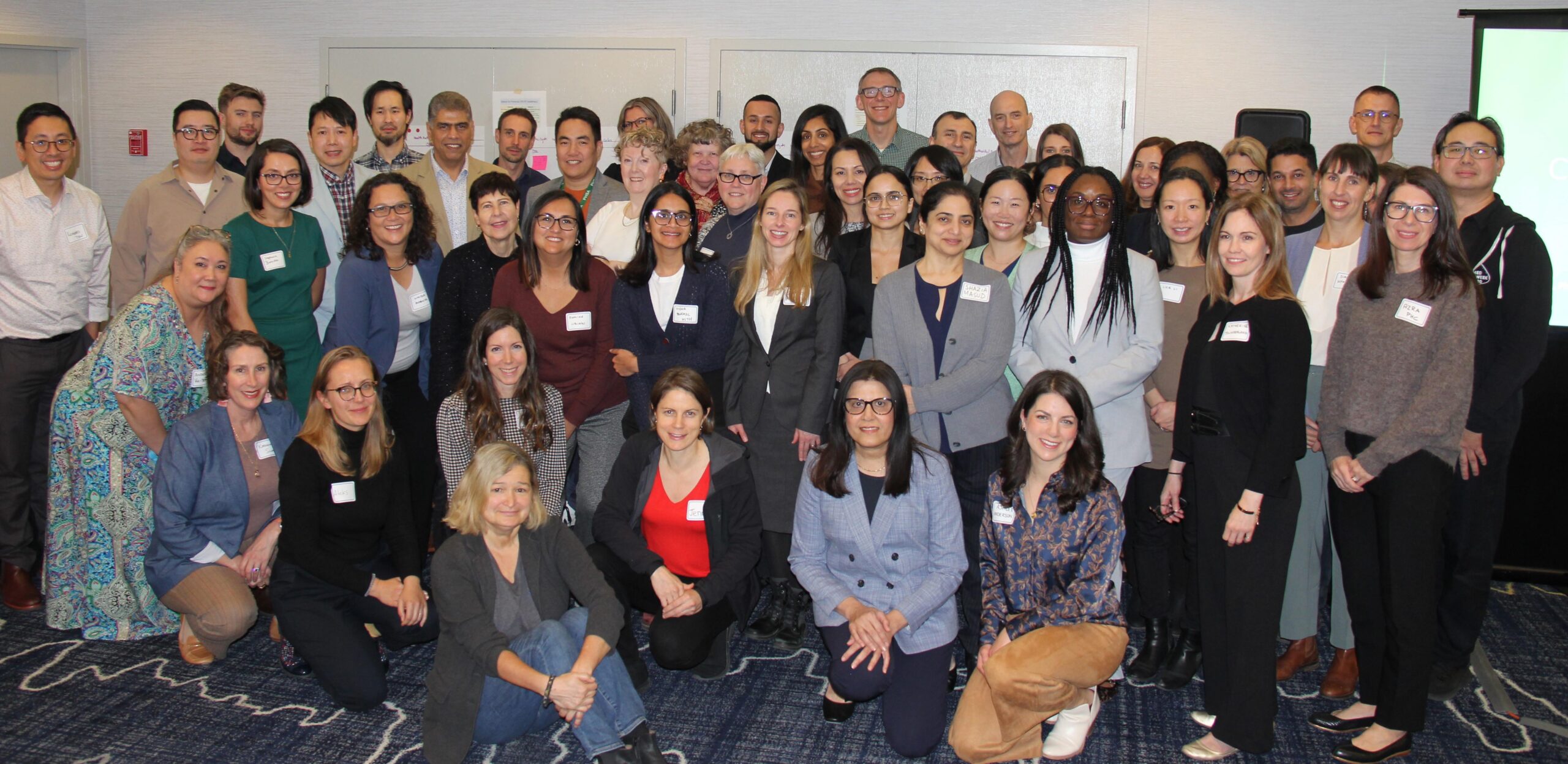
- Engaging partners at a Provincial CPO Symposium 2024 (image at top), to discuss and determine enhancements to CPO surveillance and plan the development of new provincial CPO Guidelines
- Availability of Treatment Recommendations for Confirmed or Suspected CPO infections
- Implementation of a user-based, internal CPO surveillance report that brings together health authorities surveillance data with BCCDC PHL genomics data for comprehensive and advanced reporting
- Development of an interactive CPO dashboard by BCCDC PHL, to assist with identifying CPO clusters and facilitating health authorities level investigations.
We look forward to sharing more resources and actions with you as they become available; opportunities for collaboration and knowledge sharing will be announced in this newsletter as activities proceed.
Check out the annual surveillance report of health care-associated infections and hand cleaning compliance in British Columbia, 2018-19 to 2023-24
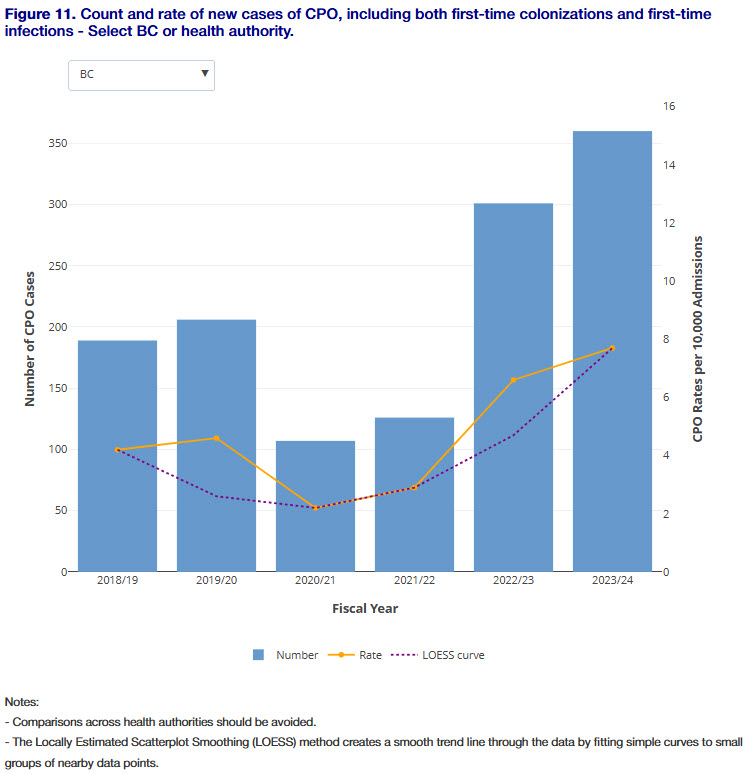
Be sure to check out the recently posted Annual Surveillance Report that shares trends in health care-associated infections (HAI) and colonizations, and community-associated cases in BC, spanning six fiscal years from April 2018 to March 2024. The findings reflect data collected by health authorities, whose ongoing surveillance efforts are essential to building a provincial picture of HAI trends.
This year’s report features:
- Expanded CPO reporting
- Improved health authority trend displays
- The addition of non-linear trend lines
- Enhanced technical documentation
- A new interactive format to improve data engagement